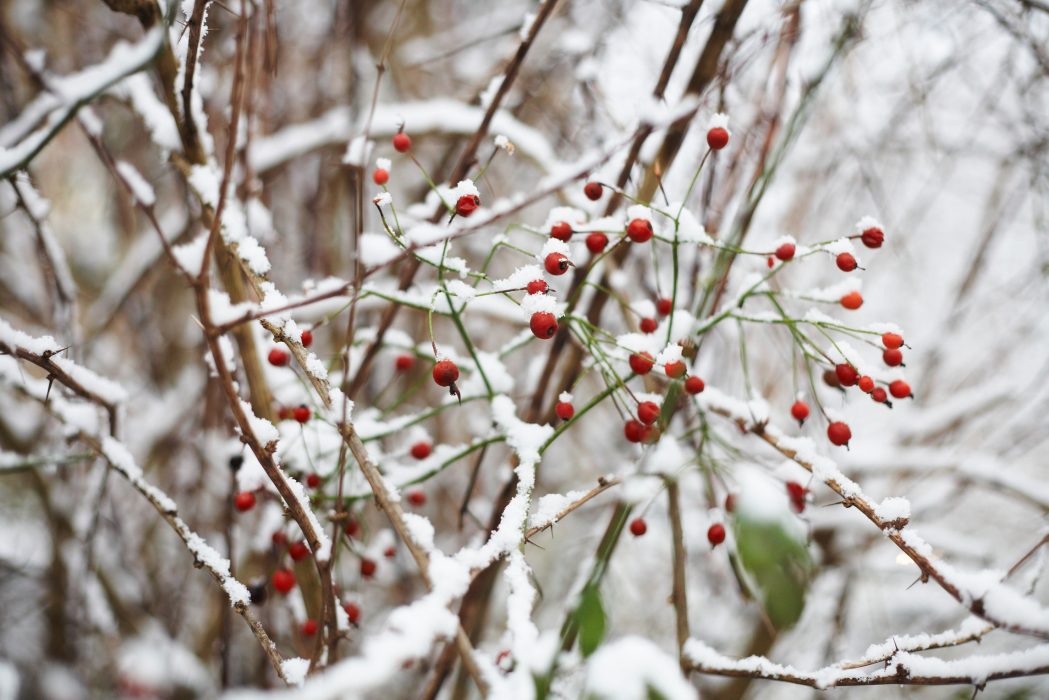
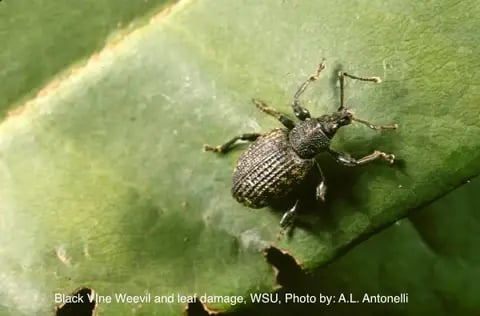
If you've noticed scalloped notches along the edges of your yew, rhododendron, strawberry, or hosta leaves, root weevils are probably to blame. While the leaf damage looks alarming, it's the larvae feeding on roots underground that cause the real harm with their knock-on effects: stunted growth, chlorosis, wilting, and sometimes, plant death.
The good news is that beneficial nematodes offer an effective, pesticide-free solution and are permitted by City of Vancouver's Health Bylaw. The catch is that nematodes only work when they are applied at the right time, in the right soil conditions. This guide covers exactly what you need to do (before and after treatment) to get the best results.
What Are Root Weevils?
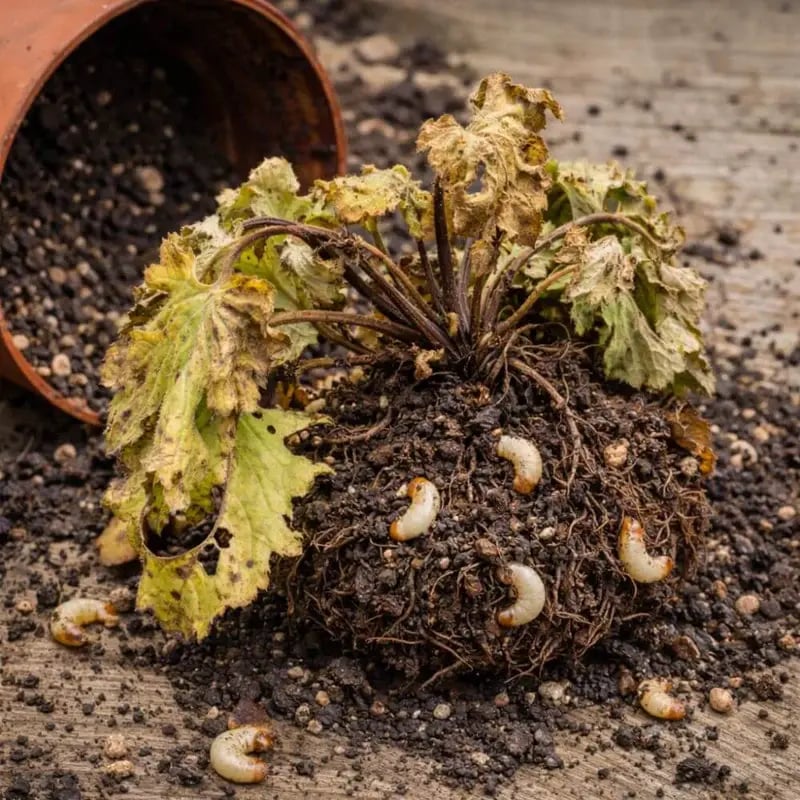
The most common species in the Lower Mainland is the invasive Black Vine Weevil (Otiorhynchus sulcatus). Adults emerge at night in early summer and notch leaf edges; it's their larvae (grubs) that overwinter in the soil and feed on the absorbing roots and root crowns, causing issues. An infestation can kill well-established shrubs.
-
Vascular Interruption: As larvae mature, they often girdle the plant's crown, effectively "strangling" the connection between the foliage and the soil.
-
The "Dry" Wilt: You’ll see the plant wilting or turning yellow (chlorosis) even in moist soil because there are no longer enough absorbing roots to drink.
-
Irreversible Decline: A plant can tolerate leaf loss, but it cannot survive the destruction of its root architecture. By the time the foliage looks sick, the root system is often already decimated.
Bottom Line: The adults take a nibble, but the larvae take the life. If your plant feels "loose" in the soil or wilts despite watering, those larvae are likely the cause.
What Are Beneficial Nematodes?
Beneficial nematodes are microscopic, naturally occurring roundworms found in healthy soil. The species often used for root weevil control, Steinernema kraussei (Sk) and H. bacteriophora (Hb), are harmless to people, pets, birds, bees, and earthworms. They seek out weevil larvae in the soil and kill them within a few days of contact.
No pesticides. No residue. No risk to pollinators.
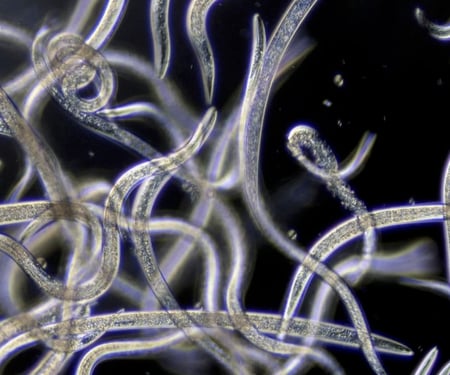
Image of a nematodes seen under a microscope.
When to Apply
Treatment Windows
Timing is the most important factor. Nematodes are only effective when soil temperature is consistently at or above the recommended soil temp and larvae are actively feeding near the surface.
| When | Nematode Type | Minimum Soil Temp | What's Happening |
| Mar - Apr | Sk | ≥ 5°C | 3rd generation larvae still vulnerable from overwintering |
| Aug - Sep | Hb | ≥ 10°C | Peak larval population; this is the most critical window |
The late-summer application is the one we prioritize most. Missing it means the larvae overwinter and emerge as adults the following spring.
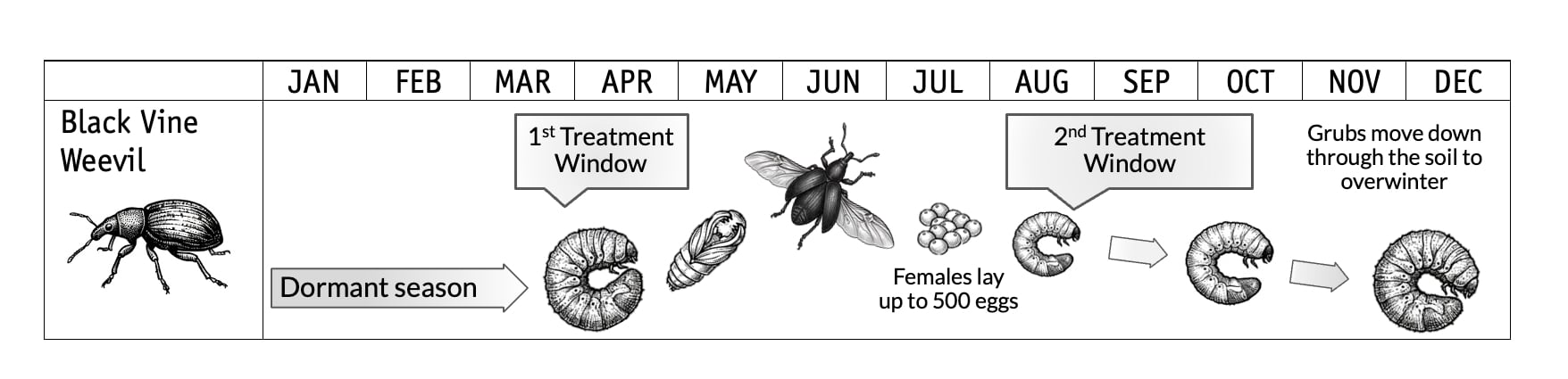 Approximate emergence and life-cycle timing of the invasive Black Vine Weevil (Otiorhynchus sulcatus) in Vancouver's temperate PNW climate.
Before Treatment
What You Need to Do
- Water the area 24–48 hrs before: Moist soil is essential for nematode survival.
- Clear the area: Move furniture, pots, and ornaments, so we have full access to the treatment zone.
- Avoid fungicide: Fungicides are harmful to most soil life, including nematodes. Even if you use organic fungicides (like we sometimes do), you should refrain from using them at least two (2) weeks prior to any nematode application.
- We prefer to apply in the shade, early morning or evening: UV light kills nematodes quickly. If you have nearby neighbours, feel free to give them a heads-up that we'll be applying a natural, non-chemical treatment.
After Treatment
Keeping Them Alive
-
- Water right after treatment: water the soil until it is consistently wet approximately one (1") inch below the surface.
- Use a timed sprinker or a garden hose on the gentle setting.
- Account for 10–15 minutes per section (you need to move around to ensure coverage over the entire treatment area).
- Note that you may need to obtain a Water Exemption Permit to facilitate Summer and drought restrictions.
- Keep soil moist for 2 weeks: water every 2–3 days if no rain. This is the single most important thing you can do. Be aware that you may need a water permit in summer and during drought.
- Avoid heavy foot traffic for 2–3 days: give nematodes time to move into the soil.
- Hold off on fertilizer for one week: let nematodes establish before adding anything to the soil surface.
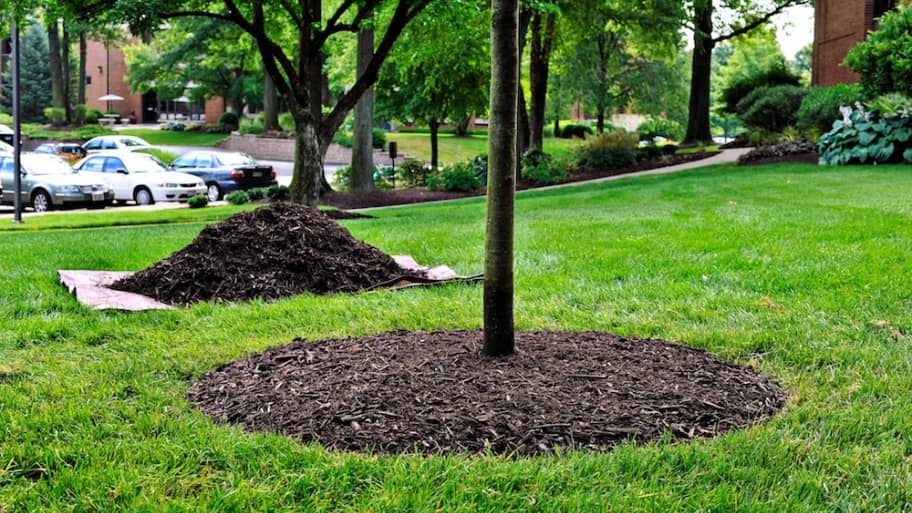
- Mulch after treatment: mulch holds soil moisture, moderates temperature, and improves soil health over time.
- Mulch significantly improves nematode survival.
- We can provide mulch as part of our service or you can source your own using our mulch guide.
- Water right after treatment: water the soil until it is consistently wet approximately one (1") inch below the surface.
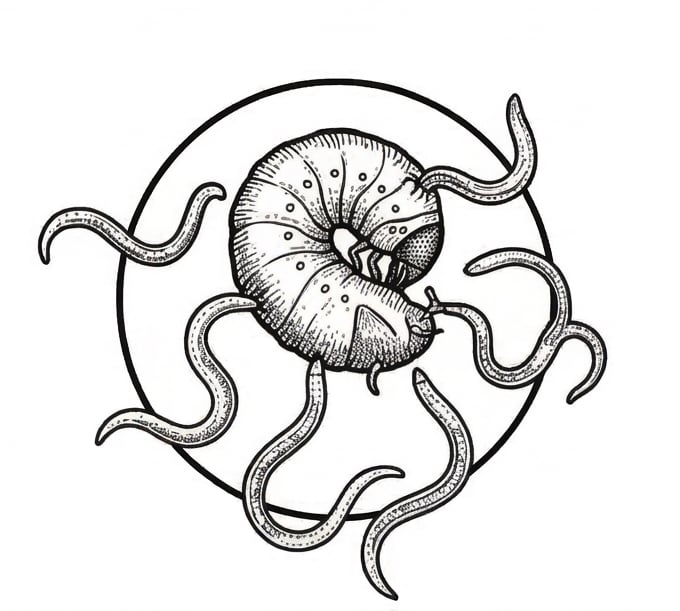
Nematodes attack and kill root weevil larvae in the soil
-
What to Expect
Nematodes are not a knockdown spray. Results are gradual:
- Days 1–7: Nematodes move through soil and infect larvae
- Days 7–21: Infected larvae die; population declines
- Following season: Noticeably fewer adult weevils; less leaf damage
In moderate-to-heavy infestations, two consecutive years of treatment produce the best long-term results.
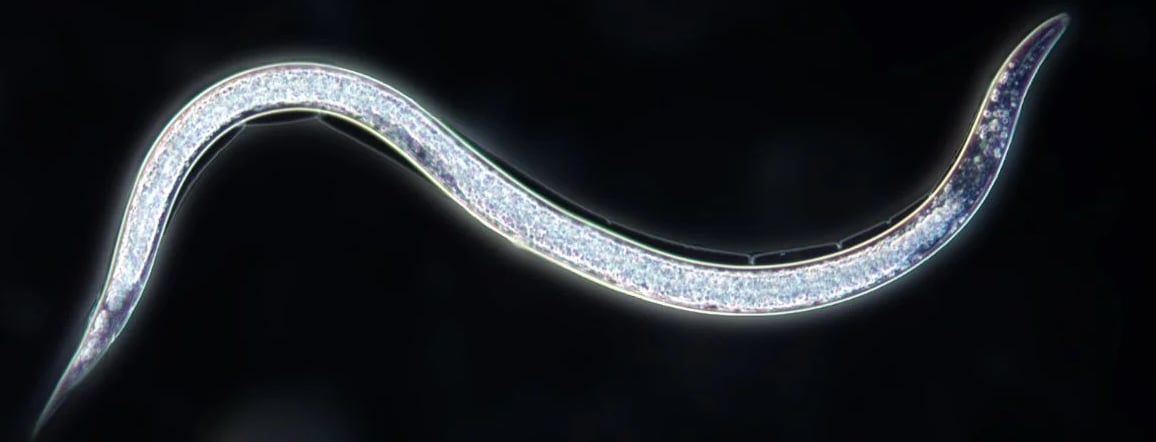
Image of a nematode as seen under a microscope.
Arbutus Tree Care offers root weevil assessment and nematode treatment for residential and commercial properties in Vancouver and the Lower Mainland.- Contact us to schedule a site visit or discuss treatment timing for your property.